Reviewing Focus on the Good for Real Embroidery
As a designer who spends half my life digitizing patterns and the other half stitching them out, I have learned that not every pretty graphic translates well to thread. When I first pulled up Focus on the Good, my immediate reaction was one of cautious optimism. The phrase itself carries a weight that resonates with modern consumers, but in the world of machine embroidery, sentiment is only half the battle. The execution determines whether a design looks like a high-end boutique item or a homemade mistake.
I approached this review with a specific project in mind: a custom order for a local wellness studio looking for branded merchandise. They wanted something uplifting but minimal, suitable for tote bags and crewneck sweatshirts. This is where Focus on the Good needed to prove its worth not just as a digital asset, but as a viable component of a commercial embroidery project.
First Impressions and Visual Personality
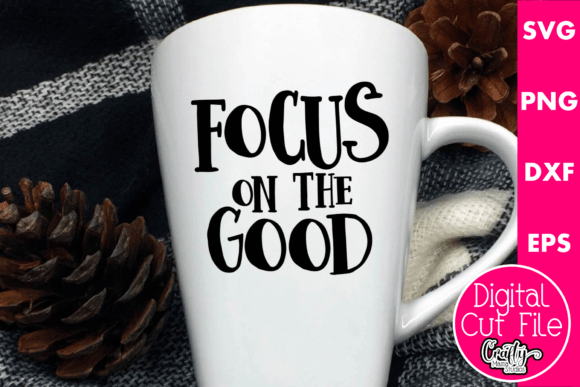
The layout of Focus on the Good strikes a balance between boldness and approachability. It does not scream for attention with overly complex flourishes; instead, it relies on clean lines and strong typography. For an embroidery designer, this is often a double-edged sword. Simple designs can look elegant, but they also expose every imperfection in tension and fabric choice. The visual personality here is calm and grounded, which makes it an excellent candidate for lifestyle products rather than loud, novelty items.
When evaluating graphics for Crafts applications, I always look at how the negative space interacts with the positive elements. In this case, the spacing appears generous enough to allow for proper stitch formation without creating large, unstable gaps that might pucker the fabric. The mood it creates is one of quiet confidence, which is exactly what many small shop owners are trying to convey through their branded apparel.
Real-World Application: The Sweatshirt Test
To truly test the viability of this design, I ran a simulation on a heavy cotton fleece sweatshirt. This is a common substrate for Etsy sellers and craft business owners because it hides minor stitching inconsistencies better than thin jersey knits. The result was promising. The thickness of the fleece provided a stable base for the fill stitches, allowing the letters to sit flat without sinking into the nap of the fabric.
However, the real test came when I considered a lighter application, such as a canvas tote bag. Tote bag design requires a different approach. The fabric is woven and can be prone to shifting if not properly hooped. Using Focus on the Good on a tote required a heavier cut-away stabilizer to prevent distortion. Once stabilized correctly, the design popped beautifully against the natural beige canvas. It felt like a finished product that could command a higher price point in a boutique setting.
Navigating Fabric Challenges
Not every surface is forgiving. If you are planning to use this as baby embroidery on a onesie, you must proceed with caution. The back of the embroidery needs to be soft against sensitive skin. I recommend using a no-show mesh trim or a soft tear-away stabilizer to minimize itchiness. Additionally, stretchy fabrics require careful attention to hoop size and tension. If the design is too dense, it can cause the garment to warp after washing.
For those interested in creating an embroidered patch, this design works well because the shapes are contained. You can use a satin stitch border to encapsulate the design, giving it a professional, merit-badge aesthetic. This is a popular trend in custom apparel right now, allowing customers to move the design between jackets and bags.
Technical Considerations for Designers
Before you load this onto your machine, there are practical steps you must take. Since the product description indicates that the download includes SVG, EPS, DXF, and PNG formats, it is crucial to understand that these are vector and raster graphics, not necessarily native embroidery files like PES or DST. If you are using cutting machines like Cricut, the SVG and DXF files are perfect for vinyl or heat transfer applications. However, for machine embroidery, you will likely need to digitize these vectors yourself or ensure you have the correct embroidery-specific file if provided by the creator.
If you are digitizing from the SVG, pay close attention to stitch density. A direct conversion can sometimes result in excessive stitch counts that make the design stiff. Adjust your running stitch and satin stitch parameters to suit the thread colors you have chosen. High-contrast thread colors, such as white on navy or black on cream, will highlight the clarity of the lettering. Low-contrast combinations might blur the details, especially if the stitch length is too long.
Always test the design on scrap fabric first. This is non-negotiable for professional results. Check how the corners turn out; sharp angles in typography can often bunch up if the needle penetration is too aggressive. Inspect small details to ensure they do not get lost in the texture of the fabric. For dark fabrics, consider using an underlay stitch that matches the top thread to prevent the background color from peeking through.
Commercial Viability and Brand Consistency
For Etsy sellers and handmade product creators, the value of a design lies in its versatility. Focus on the Good fits seamlessly into several niches: holiday gifts, wedding favors, and everyday self-care items. Its neutral tone means it does not clash with seasonal trends, making it a evergreen asset for your digital embroidery file library.
When creating printable mockups for your online store, this design photographs well. It looks clean in black and white previews, which helps customers visualize it on various colored garments. This versatility boosts buyer engagement because they can easily imagine the personalized gift on their own preferred items. Whether it is for a kitchen towel or a cap, the design maintains its integrity, reinforcing brand consistency for your shop.
Remember to confirm licensing before selling finished items. While many designers allow commercial use for physical products, restrictions may apply to digital resale. Always read the terms associated with the Good Cut File Download to ensure you are compliant. By treating this asset with professional care—checking stabilizer types, testing on different fabric textures, and refining stitch paths—you transform a simple graphic into a high-value embroidery project that customers will trust and cherish.