Reviewing Write Your Own Story for Embroidery
As a designer who spends more time staring at stitch maps than actual fabric, I have developed a keen eye for what translates well from screen to needle. When I first encountered Write Your Own Story, my initial reaction was not just about the aesthetic appeal of the typography, but about its structural integrity as an embroidery file. In the world of Crafts and digital Graphics, it is easy to get lost in pretty visuals that fail under the tension of a sewing machine. This review breaks down how this specific design holds up in real-world applications, from boutique sweatshirts to delicate baby items.
First Impressions: Mood and Visual Personality
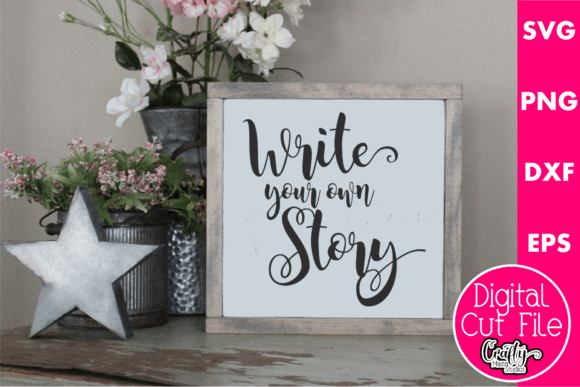
The phrase "Write Your Own Story" carries a heavy emotional weight, suggesting empowerment, creativity, and personal agency. Visually, the design leans into this with a layout that feels both modern and approachable. For an embroidery designer, the immediate question is always about balance. Does the text flow naturally, or does it look stiff? In this case, the curvature and spacing suggest a design that breathes well on fabric. It does not scream for attention with excessive ornamentation, which makes it versatile. It fits seamlessly into categories like motivational decor or personalized apparel without feeling cliché.
The mood created is one of quiet confidence. It is not loud or aggressive, which means it works exceptionally well for items meant to be worn close to the body or displayed in calm spaces, such as nurseries or home offices. The visual personality is clean, which is crucial for maintaining stitching clarity, especially when working with smaller hoop sizes or finer fabrics.
Real-World Application: The Custom Tote Bag Test
To truly evaluate a design, you must imagine it in production. I recently considered using Write Your Own Story for a line of custom canvas tote bags intended for a local writer’s workshop. Canvas is a forgiving fabric, but it has a distinct texture that can interfere with fine details. The design’s bold lettering stood out beautifully against the woven background. Because the text is the primary focus, there was no need for complex fill stitches that might pull or pucker the material.
I envisioned using a standard satin stitch for the borders of the letters to give them definition, while keeping the interior simple to reduce bulk. The result would be a professional-looking handmade product that feels substantial rather than flimsy. For an Etsy seller or small shop owner, this kind of reliability is gold. Customers want items that look expensive and durable, and a clean typographic design delivers that perception of value without requiring hours of machine time.
Versatility Across Product Lines
Beyond tote bags, this design shines in several other areas. For sweatshirt embroidery, the design scales well. On a crewneck, it can sit prominently on the chest or subtly on the sleeve. The key here is adjusting the stitch density to accommodate the fleece or cotton blend. Too dense, and the garment becomes stiff; too sparse, and the backing shows through. Since the design includes SVG, EPS, DXF, and PNG formats, it offers flexibility for those who might want to adapt the graphic for print-on-demand services alongside their stitched goods.
For baby embroidery, caution is required. While the message is sweet, the size of the lettering must be adjusted to ensure no loose threads pose a safety hazard. However, on a larger item like a baby blanket or a nursery wall hanging, it serves as a lovely personalized gift. The inspirational nature of the quote resonates with parents looking for meaningful decor.
Technical Considerations and Stitching Clarity
When working with any machine embroidery design, understanding the technical constraints is vital. The description notes that files have been cut tested on a Titan 3, which suggests a level of quality control regarding vector paths. However, embroidery is different from cutting. A vector path that cuts cleanly may still require optimization for stitching.
One critical aspect to consider is thread color contrast. On dark fabrics, light thread colors will make the text pop, but you must ensure the underlying stabilizer does not peek through if the stitch coverage is not dense enough. Conversely, on light fabrics, darker threads provide sharp definition. I recommend testing the design in black and white mockups first to check legibility before committing to colorful threads.
Another factor is hoop size. If you are working with a small 4x4 hoop, you may need to split the design or reduce the font size significantly. Always check the dimensions of the provided files to ensure they fit your machine’s capabilities. For curved surfaces like caps, the design’s linear nature might require digitizing adjustments to prevent distortion. A flat embroidered patch might be a safer bet for headwear if you lack advanced cap-digitizing skills.
Where to Use Caution
- Stretchy Fabrics: Avoid using this design on high-stretch materials without proper cut-away stabilizer, as the text may warp after washing.
- Tiny Lettering: If scaling down for jewelry tags or small accessories, ensure the strokes remain thick enough to hold the thread. Thin lines can break or look messy.
- Textured Fabrics: On highly textured materials like terry cloth, fine details may get lost. Stick to bolder weights for towels or robes.
- Dense Stitch Areas: Monitor the density to prevent puckering, especially on thinner fabrics like silk or lightweight cotton.
Enhancing Brand Value and Customer Trust
For creative entrepreneurs, the choice of design assets directly impacts brand consistency. Write Your Own Story offers a professional look that enhances the perceived value of the finished product. When customers see clean, well-executed stitching, they trust the maker’s skill. This trust translates into repeat business and positive reviews.
Using high-quality digital embroidery file sources reduces the time spent fixing errors. Instead of troubleshooting broken threads or misaligned layers, you can focus on presentation and marketing. This efficiency is crucial for commercial embroidery projects where deadlines are tight. Whether you are creating holiday embroidery gifts or year-round merchandise, a reliable design streamlines your workflow.
Practical Designer Notes for Best Results
- Test on Scrap Fabric: Always run a test stitch-out on the same type of fabric you plan to use for the final product. This reveals issues with tension and density.
- Check Stabilizer Compatibility: Use tear-away stabilizer for stable fabrics and cut-away for stretchy or delicate materials to support the stitch structure.
- Inspect Small Details: Zoom in on the digital file to check for any jagged edges or overlapping paths that could cause thread breaks.
- Verify Licensing: Before selling items made with this design, confirm the license terms. Ensure it covers commercial use for physical products if you are an Etsy seller or boutique owner.
- Compare Backgrounds: View the design on both light and dark backgrounds to determine the best thread color combinations for maximum visibility.
In conclusion, Write Your Own Story is a solid addition to any designer’s library. It balances aesthetic appeal with practical usability, making it suitable for a wide range of craft business applications. By paying attention to fabric choice, stabilizer selection, and stitch density, you can transform this digital asset into a stunning tangible product that resonates with customers. It is not just a graphic; it is a tool for storytelling through thread.