Where You Go I’ll Go: A Designer’s Embroidery Review
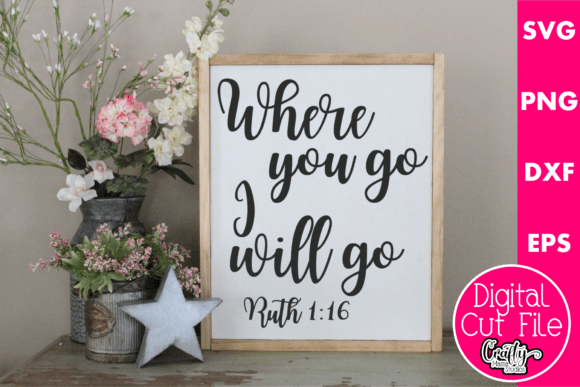
As a designer who spends half my life staring at digitized paths and the other half pulling thread out of bobbins, I have learned to look past the pretty preview images. When I evaluate a design like Where You Go I ll Go, I am not just looking at aesthetics; I am calculating stitch density, fabric compatibility, and commercial viability. This phrase, rooted in the biblical story of Ruth, carries a weight of loyalty and devotion that translates beautifully into textile art. However, translating sentiment into thread requires technical precision. Here is my practical assessment of how this design performs in real-world embroidery scenarios.
First Impressions and Visual Personality
The immediate appeal of Where You Go I ll Go lies in its emotional resonance. It is not merely a decorative element; it is a statement piece. Visually, designs in this category often rely on elegant typography or integrated floral motifs to soften the message. For an embroidery project, the layout is critical. If the text is too condensed, the letters will merge under the pressure of the needle. If it is too spread out, it loses impact on smaller garments.
In my review of similar inspirational graphics, I look for clean lines and balanced negative space. This specific theme suggests a need for clarity. The mood is serene yet strong, making it ideal for items meant to provide comfort or signify a deep bond. Whether used for a wedding gift or a personal reminder, the design must breathe. Crowded stitching ruins the meditative quality of such quotes. As a reviewer, I appreciate when the visual personality allows the thread texture to enhance the words rather than obscure them.
Real-World Application: The Custom Tote Test
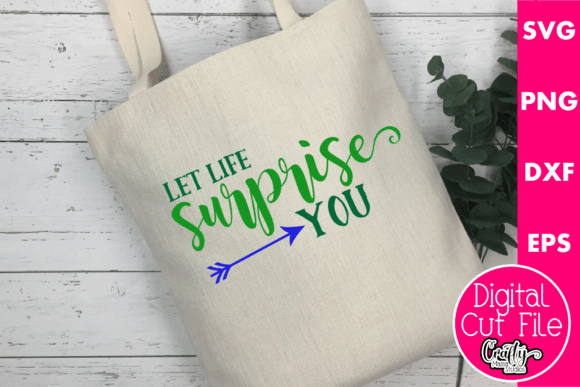
To truly understand the utility of this design, I mentally place it on a heavy canvas tote bag. This is a common request for craft business owners and Etsy sellers. Canvas is forgiving, but it is also thick. A design like Where You Go I ll Go needs sufficient stitch density to cover the weave of the fabric without sinking in.
If I were producing this for a small shop product, I would likely opt for a fill stitch approach for larger letters to ensure durability. For a boutique branding item, the contrast between dark thread and natural canvas creates a rustic, handmade product feel that customers trust. It signals quality. However, if the design includes intricate flourishes, I would switch to a satin stitch for better definition. The key is matching the stitch type to the intended use. A tote bag gets tossed around; the embroidery must withstand friction.
Navigating Fabric Challenges
Not every surface is as cooperative as canvas. When moving to custom apparel, such as sweatshirt embroidery, the stakes change. Fleece and cotton blends have a nap that can swallow fine details. If Where You Go I ll Go features thin lettering, it may disappear into the fabric texture. In these cases, I recommend using a heavier stabilizer and potentially increasing the stitch count slightly to raise the design above the fabric pile.
Stretchy fabrics present another hurdle. A baby embroidery project, such as a onesie, requires extreme caution. The fabric moves, and if the stitch density is too high, the garment will pucker. For delicate items, I advise testing the design on scrap fabric first. Check how the running stitch behaves on the edges. If the design pulls the fabric, you need to adjust your tension or choose a lighter thread. Dark fabric also poses a challenge; light threads on black cotton require precise underlay stitching to prevent the background from showing through the final product.
Commercial Viability and Brand Consistency
For digital product sellers and creative entrepreneurs, the versatility of a design determines its sales potential. Where You Go I ll Go fits neatly into several lucrative niches: religious gifts, wedding merchandise, and friendship tokens. Its broad appeal makes it a safe bet for holiday embroidery collections or year-round bestsellers.
However, professionalism is key. Buyers engage with designs that look crisp and intentional. A sloppy digitization job reflects poorly on the brand. When selling finished products, consistency in presentation matters. Use printable mockups to show clients how the design looks on different colors before stitching. This builds trust and reduces returns. For those selling digital embroidery files, ensuring that the SVG, EPS, DXF, and PNG formats are clean and layered correctly is essential. Customers want assets they can resize without losing quality, especially if they are using cutting machines alongside embroidery hoops.
Technical Notes for the Stitcher
Before loading this design into your machine, consider these practical steps to ensure a flawless finish:
- Check Hoop Size: Ensure the design fits comfortably within your hoop with adequate margin for stabilization. Do not crowd the edges.
- Test Stitch Density: Run a test on similar fabric. If the area feels stiff or board-like, the density is too high. If it looks sparse, increase it.
- Thread Color Contrast: Choose threads that stand out against the fabric but harmonize with the mood. Earth tones work well for rustic looks; pastels suit baby items.
- Stabilizer Selection: Use cut-away stabilizer for stretchy fabrics and tear-away for stable woven materials. Proper support prevents distortion.
- Inspect Small Details: Zoom in on the digital file. Are there tiny jumps or unnecessary trims? Clean up the path if necessary to reduce thread waste and machine wear.
Licensing and File Formats
It is crucial to verify the licensing terms before using Where You Go I ll Go for commercial embroidery projects. While many designers offer files for personal use, selling finished items often requires a commercial license. Always read the terms provided with the download. The inclusion of multiple formats like SVG and PNG suggests the designer intends for multi-platform use, which is beneficial for those who create both embroidered goods and printed materials.
Remember that a digital embroidery file is only as good as the machine settings behind it. No design is universally perfect for every combination of thread, needle, and fabric. Take the time to tweak your tension and speed. The difference between a good product and a great one is often found in these minor adjustments.
Final Verdict
Where You Go I ll Go is a strong contender for any designer’s library. Its emotional depth pairs well with the tactile nature of embroidery. Whether you are creating a personalized gift for a friend or stocking your Etsy shop with meaningful apparel, this design offers flexibility and impact. Just respect the technical requirements of your chosen fabric, and the result will be a finished product that speaks volumes.