Bless Our Home Sign: A Designer's Embroidery Review
As a designer who has spent years translating digital concepts into tangible thread, I approach every new asset with a critical eye. When I first opened the Bless Our Home Sign file to evaluate it for my upcoming holiday collection, I wasn't just looking for a pretty phrase; I was analyzing how this specific typography and layout would translate from a screen to fabric. This design sits comfortably within the Crafts category, but its potential as a high-value Graphics asset depends entirely on execution. The mood is immediately warm and inviting, evoking a sense of sanctuary that resonates deeply with customers seeking personalized home decor or heartfelt gifts.
Visual Impact and Design Structure
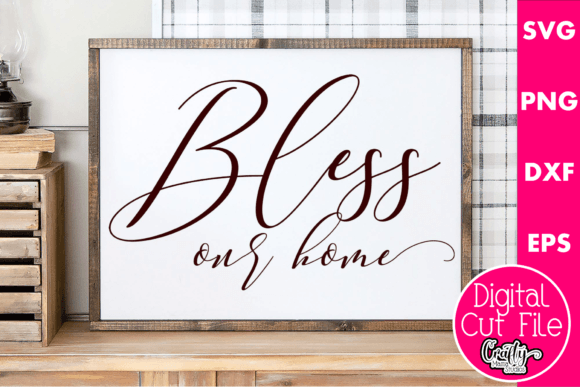
The first impression of the Bless Our Home Sign is one of classic elegance. The lettering style suggests a blend of traditional serif elements with modern spacing, creating a balanced visual weight. For an embroidery project, this balance is crucial. Unlike overly ornate scripts that can tangle during digitization, this design maintains clear pathways for the needle. When I visualize this as a machine embroidery design, the flow of the text feels natural, suggesting that the stitch direction will follow the curves of the letters without excessive jumps or unnecessary trims.
In terms of layout, the sign format implies a horizontal orientation, which is perfect for rectangular hoops or elongated areas on garments. The visual personality is versatile enough to work as a standalone statement piece or as part of a larger composition. Whether you are planning a tote bag design or a large-scale wall hanging, the proportions feel stable. However, the true test of any design lies in how it handles the transition from vector lines to physical thread density.
Real-World Application: The Holiday Tote Scenario
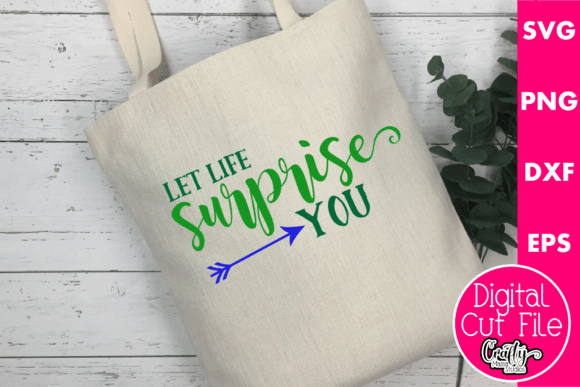
To truly understand the utility of this file, let's walk through a real-life scenario. Imagine I am preparing a limited run of canvas tote bags for a local craft fair. These bags need to be durable, washable, and visually striking from a distance. I decide to use the Bless Our Home Sign as the central motif. My goal is to create a product that feels like a boutique item rather than a mass-produced commodity.
I load the embroidery file into my software and begin the digitization review process. Since the source files include SVG, EPS, DXF, and PNG formats, I have flexibility in how I import the vectors. For this project, I focus on the vector data to ensure crisp edges. I opt for a combination of satin stitch for the outer definition of the letters and a dense fill stitch for the interior. The contrast between the thick satin borders and the textured fill adds depth, making the text pop against the natural beige canvas.
During the test run on scrap fabric, I notice that the spacing between the words "Bless" and "Our" needs slight adjustment to prevent thread bridging. Once corrected, the result is stunning. The finished product looks professional, with clean lines and no puckering. Customers browsing at the craft fair immediately gravitate toward these bags because the embroidery quality signals care and craftsmanship. This is exactly how a well-chosen digital embroidery file elevates a simple craft business item into a desirable gift.
Fabric Choices and Technical Considerations
While the design performs beautifully on sturdy canvas, applying the Bless Our Home Sign to other materials requires careful thought. If you plan to use this for custom apparel, such as a sweatshirt, the texture of the fleece becomes a factor. Fleece has a nap that can obscure fine details, so increasing the stitch density slightly might be necessary to ensure the letters remain legible. Conversely, using this design on thin cotton or linen for a kitchen towel demands a lighter touch to avoid tearing the fabric or causing visible distortion.
For projects involving stretchy fabrics, like baby onesies or performance tees, the stability of the hoop is paramount. The hoop size must be appropriate to hold the fabric taut without stretching the fibers beyond their limit. If the design is too large for the hoop, you risk misalignment when re-hooping sections. Always check the dimensions of your specific machine before committing to a large-scale embroidery project. Additionally, dark fabrics require a backing layer, such as cutaway stabilizer, to support the thread and provide a solid base for the thread colors to stand out. Without proper stabilization, even the best design can look messy and unprofessional.
Strategic Use in Small Business and Etsy Shops
For the Etsy seller or small shop owner, the Bless Our Home Sign offers significant branding potential. It fits perfectly into niches like nursery decor, wedding favors, and housewarming gifts. The inspirational nature of the quote appeals to a broad demographic, making it a safe yet meaningful choice for inventory. However, success isn't just about the design itself; it's about presentation. High-quality printable mockup images are essential for your listings. Show the design on various backgrounds—wood signs, ceramic tiles, and embroidered patches—to help buyers visualize the final outcome.
When selling finished products, consistency is key. Ensure that every item you produce maintains the same high standard of stitching. Variations in tension or thread color can erode customer trust. This design works exceptionally well for personalized gifts where you might add a family name or date below the main text. Just remember to verify the licensing terms before selling items created with this asset. While the description mentions formats suitable for Cricut and general crafting, commercial rights for commercial embroidery should always be confirmed to protect your business.
Designer Notes for Best Results
- Test First: Always run a test on scrap fabric to check for puckering and alignment issues before stitching on expensive material.
- Color Contrast: Select thread colors that offer high contrast against your chosen fabric to maximize readability and visual impact.
- Stabilizer Selection: Use tear-away stabilizers for heavy fabrics like denim and cut-away for knits to maintain shape and prevent stretching.
- Hoop Size Check: Verify that your design fits comfortably within your hoop with room for the clamps to secure the fabric.
- Licensing Verification: Confirm that your license allows for the sale of finished goods if you are using this for a craft business.
In conclusion, the Bless Our Home Sign is a robust asset for designers who value clarity and warmth. It bridges the gap between digital artistry and tactile craftsmanship, offering endless possibilities for handmade products. Whether you are creating a single embroidered patch for a friend or scaling up for a holiday collection, this design provides a strong foundation. By paying attention to technical details like stitch density, fabric choice, and stabilization, you can ensure that your finished work not only looks beautiful but also stands the test of time and washing. This is the kind of design that builds a reputation for quality in the competitive world of handmade goods.