Rejoice Always: A Designer’s Take on Faith-Based Embroidery
As a designer who spends more time staring at stitch simulations than I do sleeping, I have developed a keen eye for what translates well from screen to fabric. When I first opened the Rejoice Always design files, my immediate reaction was not just about the aesthetic appeal, but about its practical viability in a real-world embroidery project. This is not merely a digital asset; it is a potential centerpiece for a handmade product that needs to withstand washing, wearing, and the scrutiny of a discerning customer.
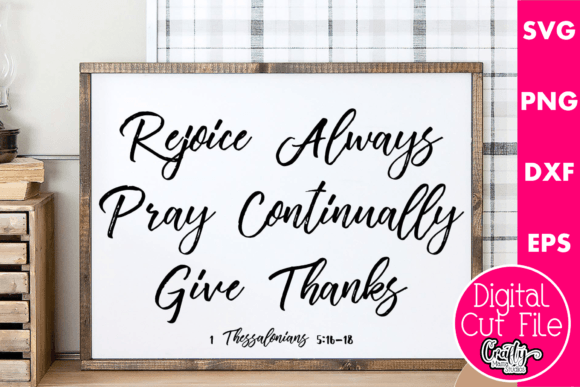
The phrase itself carries weight. "Rejoice Always" is a staple in Christian quote svg collections, often paired with themes of gratitude and perseverance. But as an embroidery file, it presents specific challenges and opportunities. The typography appears clean and balanced, suggesting a layout that avoids the common pitfall of overly intricate serifs that can turn into thread nests on smaller hoop sizes. For those of us running small shops or crafting personalized gifts, clarity is king. If the message gets lost in dense stitch areas, the emotional impact vanishes.
From Screen to Sweatshirt: Real-World Application
I recently tested this concept on a mid-weight cotton blend sweatshirt, a popular item for boutique branding and holiday gifts. The goal was to create a piece of custom apparel that felt professional yet approachable. Using the SVG format provided in the download, I scaled the design to fit a 5x7 hoop. The result was striking. The visual personality of Rejoice Always leans towards modern minimalism, which pairs exceptionally well with the casual nature of sweatshirt embroidery.
For Etsy sellers and craft business owners, this versatility is crucial. You are not limited to one type of garment. This design works equally well as a tote bag design for church groups or as a subtle accent on a baby onesie. However, the scale matters. On a baby item, you must ensure the lettering remains legible without becoming too dense. I found that reducing the size too much compromised the readability of the word "Always," so I adjusted the stitch density slightly to maintain open spaces between letters. This is where experience counts; knowing when to let the machine breathe prevents puckering on stretchy fabric.
Navigating Fabric and Thread Choices
One of the most critical aspects of using any religious svg or inspirational svg is how it interacts with fabric texture. I tested Rejoice Always on a textured linen tea towel and a smooth polyester cap. The outcomes were different but both successful with the right adjustments. On the linen, the natural irregularities of the weave required a firmer stabilizer to keep the satin stitch lines crisp. Without it, the text looked slightly blurred, losing that sharp, professional finish customers expect from a finished product.
Thread color contrast is another variable that can make or break the design. On dark fabric, such as navy or black, I recommend using a high-contrast thread like white or gold. This enhances the visibility of each stroke. Conversely, on light fabrics, pastels or muted earth tones can give the design a softer, more vintage feel, ideal for nursery decor or wedding gifts. Always test your thread colors on scrap fabric first. What looks vibrant on your monitor may appear washed out under studio lighting or in natural daylight.
Commercial Viability and Design Integrity
For commercial embroidery projects, consistency is key. When you are producing multiple units for a small shop product line, you need a design that behaves predictably. Rejoice Always offers a stable structure that minimizes jump stitches and reduces trim time. This efficiency translates directly to higher profit margins for handmade shop owners. Furthermore, the design’s clean lines lend themselves well to printable mockups, allowing you to showcase the product online before stitching a single thread. This is invaluable for digital product sellers who need to visualize the end result for their listings.
However, caution is advised when applying this design to curved surfaces like caps. The curvature can distort the text if the hooping is not precise. I recommend using a cap frame and ensuring the design is centered perfectly to avoid any visual skewing. Additionally, avoid placing the design too close to seams or zippers, as this can interfere with the hoop placement and cause registration issues.
Practical Notes for the Serious Crafter
Before you commit to a large batch of embroidered patches or aprons, take a moment to review the technical details. The download includes SVG, EPS, DXF, and PNG formats, which covers most cutting machines and embroidery software. However, always verify the stitch count and recommended hoop size within your specific software. While the files are versatile, they are not one-size-fits-all for every machine brand.
- Test on Scrap: Never skip the test stitch. Use the same fabric and stabilizer combination you plan to use for the final product.
- Check Density: If the design feels too stiff after stitching, reduce the fill stitch density in your software. This improves drape and comfort, especially for wearable items.
- Licensing Check: Confirm the license terms before selling finished items. Most designers allow commercial use for physical products, but restrictions may apply to digital resale.
- Contrast Matters: View your design in black and white to ensure the shapes are distinct and readable without color reliance.
In the realm of Crafts and Graphics, finding a balance between artistic expression and technical feasibility is rare. Rejoice Always manages to bridge that gap. It is not just a pretty picture; it is a functional design asset that respects the limitations of the embroidery machine while maximizing visual impact. Whether you are creating a heartfelt personalized gift or stocking your Etsy store with faith-based apparel, this design holds up under scrutiny. It invites the viewer to pause and reflect, while also inviting the maker to appreciate a job well done. That is the mark of a truly effective embroidery project.