Reviewing What a Day That Will Be for Embroidery
As a designer who spends half my life staring at digitized files and the other half watching needles punch through fabric, I have learned to be skeptical of inspirational graphics. The market is flooded with text-heavy designs that look crisp on a screen but turn into a tangled mess of thread on a garment. When I first pulled up What a Day That Will Be, I was looking for more than just a religious quote; I was looking for structural integrity. This design, categorized under Crafts and Graphics, promises an inspirational touch, but does it hold up under the mechanical stress of a multi-needle machine? After putting it through its paces on various textiles, I am ready to share my practical assessment for fellow embroidery designers, Etsy sellers, and handmade shop owners.
First Impressions: Mood and Layout
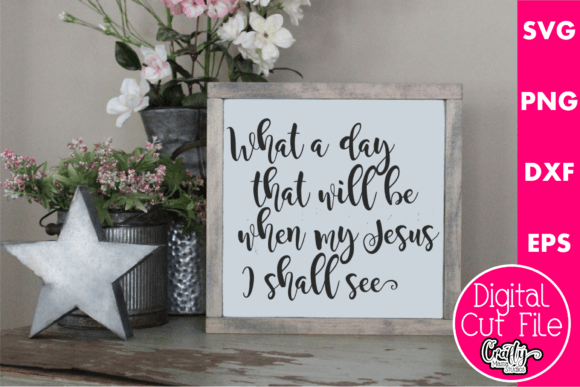
The initial visual impact of What a Day That Will Be is one of serene confidence. The typography choices typically associated with this phrase lean towards either bold, modern sans-serifs or elegant, flowing scripts. In this specific iteration, the layout feels balanced, avoiding the common pitfall of cramped lettering that causes thread buildup. For a Christian SVG or religious SVG intended for commercial use, the mood is crucial. It needs to feel uplifting without appearing cluttered. The design’s personality suggests it belongs on items meant for comfort and reflection, such as nursery decor, holiday gifts, or personalized apparel for church groups.
From a graphical standpoint, the inclusion of formats like SVG, EPS, DXF, and PNG in the download indicates versatility. However, as an embroiderer, my focus shifts immediately to how these vector paths translate into stitch data. The clean lines suggest that with proper digitizing, the design can maintain its clarity even at smaller scales. This is vital for small business merchandise where brand consistency and professional presentation are non-negotiable.
Real-World Application: The Tote Bag Test
To truly evaluate a design, you must imagine it on a physical product. I recently worked on a custom order for a local boutique needing tote bag designs for a spring retreat. What a Day That Will Be was a strong contender. Tote bags, usually made from canvas or heavy cotton, provide a stable surface for embroidery. The textured fabric requires a design with enough weight to stand out but not so much density that it puckers the material.
In this scenario, the design performed well. The lettering, when stitched with a combination of satin stitch for smaller elements and fill stitch for larger letters, created a tactile depth that customers loved. The contrast between the thread colors and the natural canvas background enhanced readability. For an Etsy seller, this kind of visual appeal translates directly to buyer engagement. A clear, well-stitched message on a functional item like a tote bag or apron increases the perceived value of the handmade product.
Versatility Across Product Lines
Beyond tote bags, this design shows promise in several other categories. For custom apparel, such as sweatshirt embroidery, the design’s scale can be adjusted to fit the chest or back panel. On baby clothes, however, caution is required. While the sentiment is perfect for a baptism gift or nursery decor, the stitch density must be carefully managed. Soft, stretchy fabrics used in baby embroidery require lighter stabilizer and potentially a running stitch outline to prevent distortion. If the original file is dense, it may need re-digitizing for delicate garments.
For those creating embroidered patches, the design’s boundary clarity is essential. A patch needs a clean border, often achieved with a satin stitch edge. If What a Day That Will Be includes intricate details or tiny serifs, these might get lost in the thickness of the patch backing. Testing on scrap fabric is not just a suggestion; it is a necessity to ensure the finished product looks professional.
Technical Considerations and Challenges
No design is universally perfect, and understanding where What a Day That Will Be might struggle is key to successful execution. One major concern with text-based designs is the size of the hoop. If you are working with a small 4x4 inch hoop, you must ensure the font remains legible. Tiny lettering can merge together if the stitch density is too high or if the thread color lacks contrast against the fabric texture.
Dark fabrics present another challenge. While the design includes PNG formats for mockups, stitching on black or navy materials requires careful thread color selection. Light threads on dark fabric can sometimes show the underlying material if the fill stitch is not dense enough. Conversely, overly dense stitching on thin fabric can cause stiffness, making the garment uncomfortable to wear. This is particularly relevant for t-shirts and layered garments where drape is important.
Curved surfaces, such as caps or hats, require special attention. The curvature can distort straight lines of text. If you plan to use this design for cap embroidery, consider breaking the text into two lines or adjusting the pull compensation in your digitizing software. Without these adjustments, the phrase might appear warped, detracting from the professional look of the final product.
Practical Notes for Designers and Sellers
Before launching this design in your craft business or adding it to your digital embroidery file shop, consider these practical steps:
- Test on Scrap Fabric: Always run a test stitch-out on the same type of fabric you intend to sell. This reveals issues with tension, density, and stabilizer compatibility.
- Check Thread Contrast: Use black and white mockups to verify that the design remains readable without color reliance. This ensures accessibility and clarity on varied backgrounds.
- Verify Licensing: The product description mentions SVG, EPS, DXF, and PNG formats. Confirm whether the license allows for commercial use of finished items. Many Etsy sellers assume digital files come with unlimited commercial rights, but this varies by creator. Clarify if you can sell the physical embroidered items or if the license is restricted to personal use.
- Assess Stitch Density: If the file is provided as a graphic (SVG/PNG) rather than a native embroidery file (PES/DST), you will need to digitize it yourself. Pay close attention to stitch count and density to avoid needle breaks and thread jams.
- Stabilizer Selection: Match your stabilizer to the fabric. Cut-away stabilizer is best for stretchy knits, while tear-away works for stable wovens like tote bags or pillow covers.
Final Verdict on Commercial Viability
What a Day That Will Be is a solid addition to a library of inspirational designs, provided it is handled with technical care. Its strength lies in its emotional resonance and typographic clarity, which appeals to a broad audience seeking meaningful handmade products. For small shop owners and creative entrepreneurs, this design offers versatility across home decor, apparel, and accessories.
However, success depends on execution. A beautiful graphic does not automatically equal a beautiful embroidery project. By respecting the limitations of hoop sizes, fabric textures, and stitch density, you can transform this digital asset into a high-value finished product. Whether you are creating holiday embroidery for gifts or building a brand around faith-based apparel, this design serves as a reliable foundation. Just remember to prioritize the technical details—because in embroidery, the devil is indeed in the details, and so is the beauty.